 Early on, White offers a hostage to fortune when he quotes Loius Sébastien Mercier:
Like a true flâneur, Mercier found his ‘research’, disorganized and fragmented as it might be, endlessly absorbing. As he put it, ‘I haven’t been bored once since I started writing books. If I’ve bored my readers, may they forgive me, since I myself have been hugely amused’. (35)
However, White knows how to create the impression of flattering his reader when really he is flattering no-one but himself. Describing Théophile Gautier’s attendance at a monthly meeting of Le Club de Hachichins, who basically ate huge lumps of jellied hash, he writes:
All the signs of being totally, deliriously, even dangerously stoned, so well known to my readers, were already familiar to the arty denizens of Hôtel de Lauzun. (132)
He then goes on to quote the position Baudelaire, who likely only took hashish once or twice, in the great wine vs. hash debate that raged through probably very few fashionable salons:
he compared hasish unfavourably to wine, which he thought was more ‘democratic’ because more cheaper and more widely available… To be precise he praised both wine and hashish for promoting ‘the excessive poetic development of mankind’, but he pointed out that ‘wine exalts the will, hashish annihilates it. Wine is a support to the body, hashish is a weapon for suicide. Wine makes people good and friendly, hashish isolates. One is hard-working, so to speak, whereas the other is essentially lazy. … Wine is for those people who work and deserve to drink it. Hashish belongs to the category of solitary pleasures; it is made for the unhappy idle. Wine is useful, it produces fruitful results. Hashish is useless and dangerous.’ (133-4).
And to end on a bitchy note, after several pages snarkily but not inaccurately lambasting the lifeless artworks of Gustave Moreau, he concludes the chapter:
Moreau once declared: ‘I love my art so much that I’ll be happy only when I make it for myself’. His wish came true. (144)
With luck I’ll sleep tonight…

Richard Wright was cremated at Père Lachaise.

But before that happened, he used to enjoy hanging out at the Café Tournon with Chester Himes. (You could also find James Baldwin and Ollie Harrington there, and it was where Duke Ellington made his Paris debut.)


Although the management are only interested in letting you know that Joseph Roth lived there. I guess they figure the legend of an unholy drinker is bad for business. (Did you like the literary gag there?)

Somewhere on this street, Chester Himes used to have an apartment.


But when John A. Williams was visiting Paris and dropped by to see him, he found Himes had moved out, leaving the flat to Melvin Van Peebles.
We found Himes still keeping good company in the unexpected book department of Le Bon Marché, the first ever department store.

Another African-American in Paris:

And Harry’s Bar. Where Humphrey Bogart used to hang out.

Their margarita is a damn fine margarita…

…but it is not as good a margarita as their mojito is a mojito.
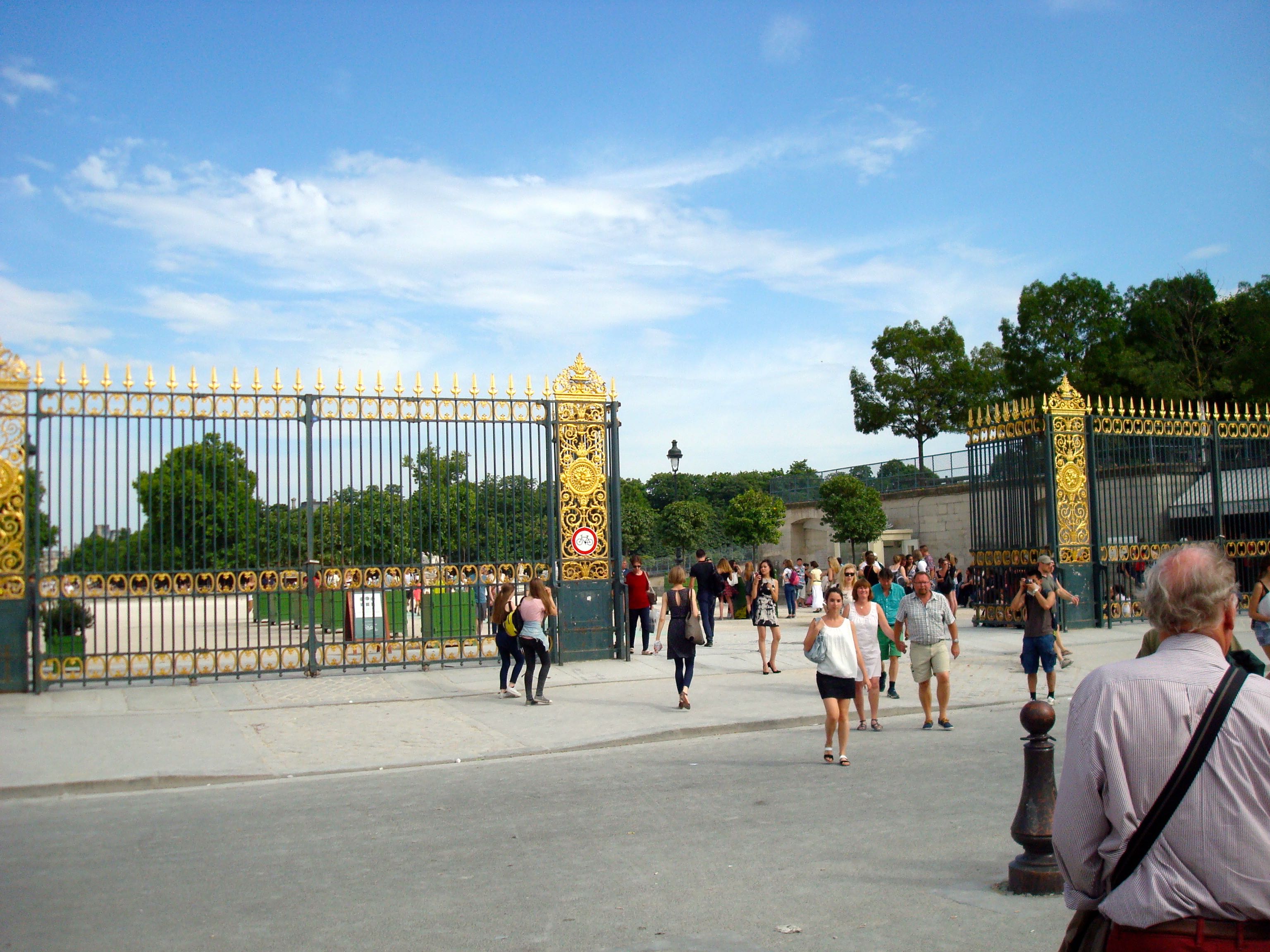
This statue stands on the spot where the guillotine was erected to execute Louis XVI in January 1793. 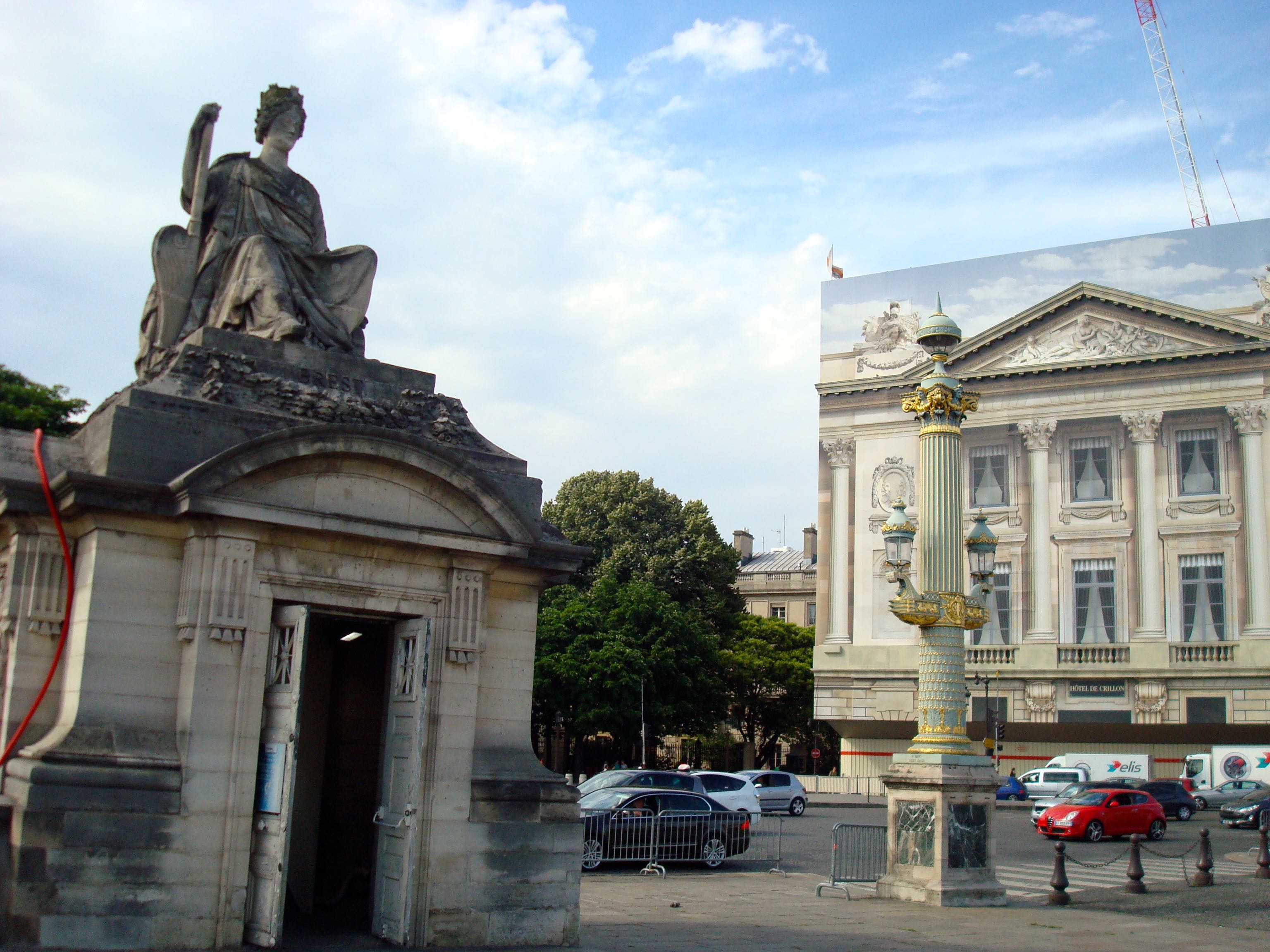 Somewhere near these gates, the guillotine was erected to execute Marie-Antoinette in October 1793.
  Jean Sylvain Bailly was an early leader of the French Revolution and the first mayor of Paris. He was guillotined during the Reign of Terror.
  In April 1834, a workers uprising broke out against new laws limiting the activities of Republican organisations such as the Society of the Rights of Man. 13,000 police took four days to quell the uprising. On the Rue Transnonain, police massacred all the residents of one apartment building.
  Not even a fucking plaque.
  Honoré Daumier’s lithograph Rue Transnonain, le 15 Avril 1834 appeared in the journal La Caricature. When the original was discovered, he was imprisoned for six months. In the the Musée d’Orsay, we found Maximilien Luce’s Une rue de Paris en mai 1871.
  We also, I kid you not, saw a hipster find a portrait of a 19th century man with a similar beard to his own and take a selfie in front of it. The whole city groaned. In spring 1871, the last of the communards hid out in the Père Lachaise cemetery. The victorious Armée versaillaise put one hundred and forty-seven Fédérés up against the wall and shot them and threw their corpses in a trench by the wall.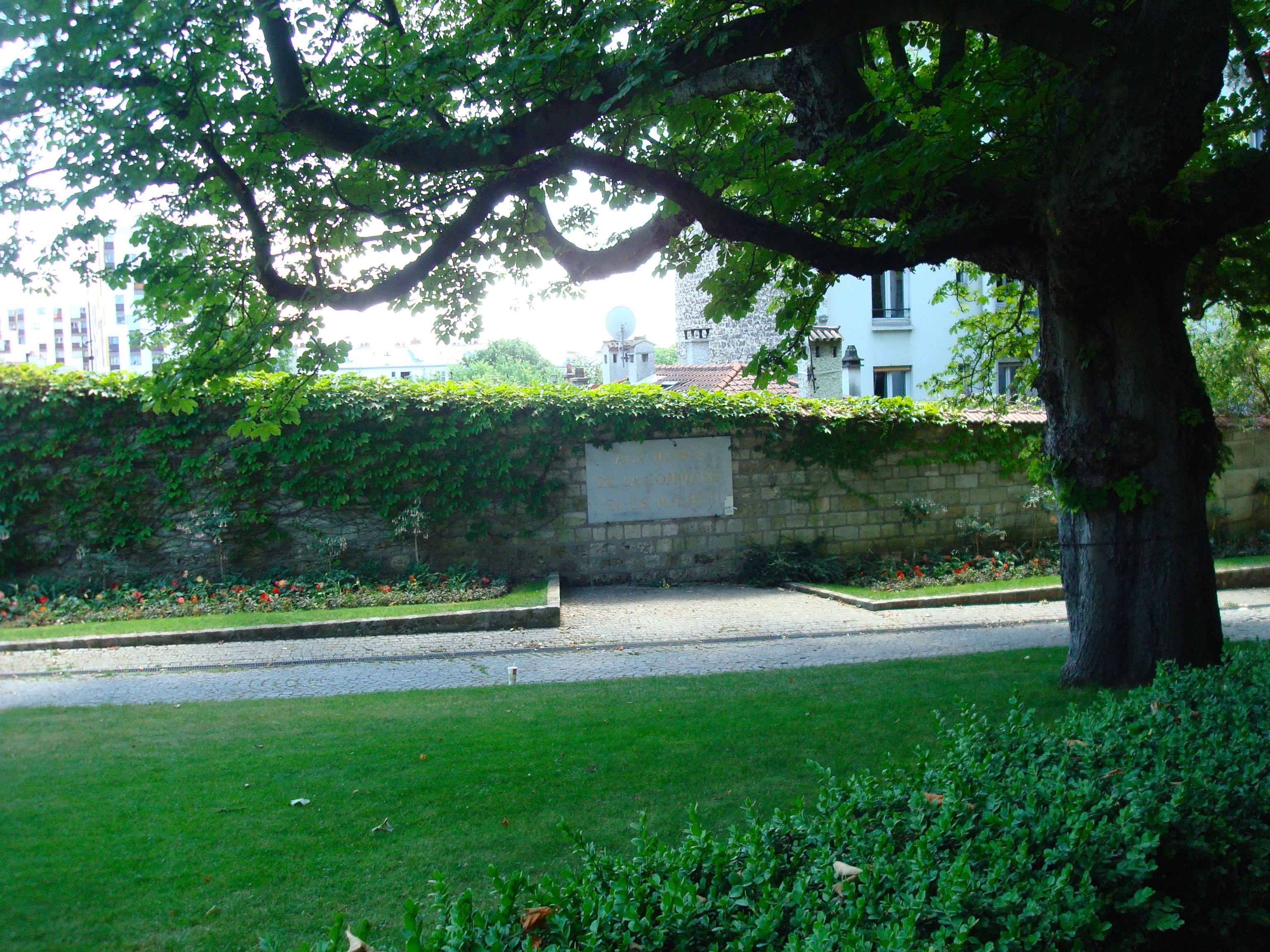
 Opposite this simple memorial is the grave of Marx’s daughter Laura and her husband Paul Lafargue, who wrote among many other things the excellent The Right to Be Lazy. In old age, they committed suicide rather than be a burden on the revolution.
 Nestor Makno, the Ukrainian anarcho-communist revolutionary was cremated here, too.
  I guess I’m wilfully mistranslating/misunderstanding the inscription on this.
  On a cheerier note, this is the bar where Lenin and Trotsky used to hang out in 1915/16 to play chess.
  I guess it was a little less blandly bourgeois back then. The current management are less inclined to recall Bolshevik grandmasters than to boast that Pierce Brosnan once ate there. Lenin, mind you, can pop up in the least expected places (as, indeed, can Stalin).


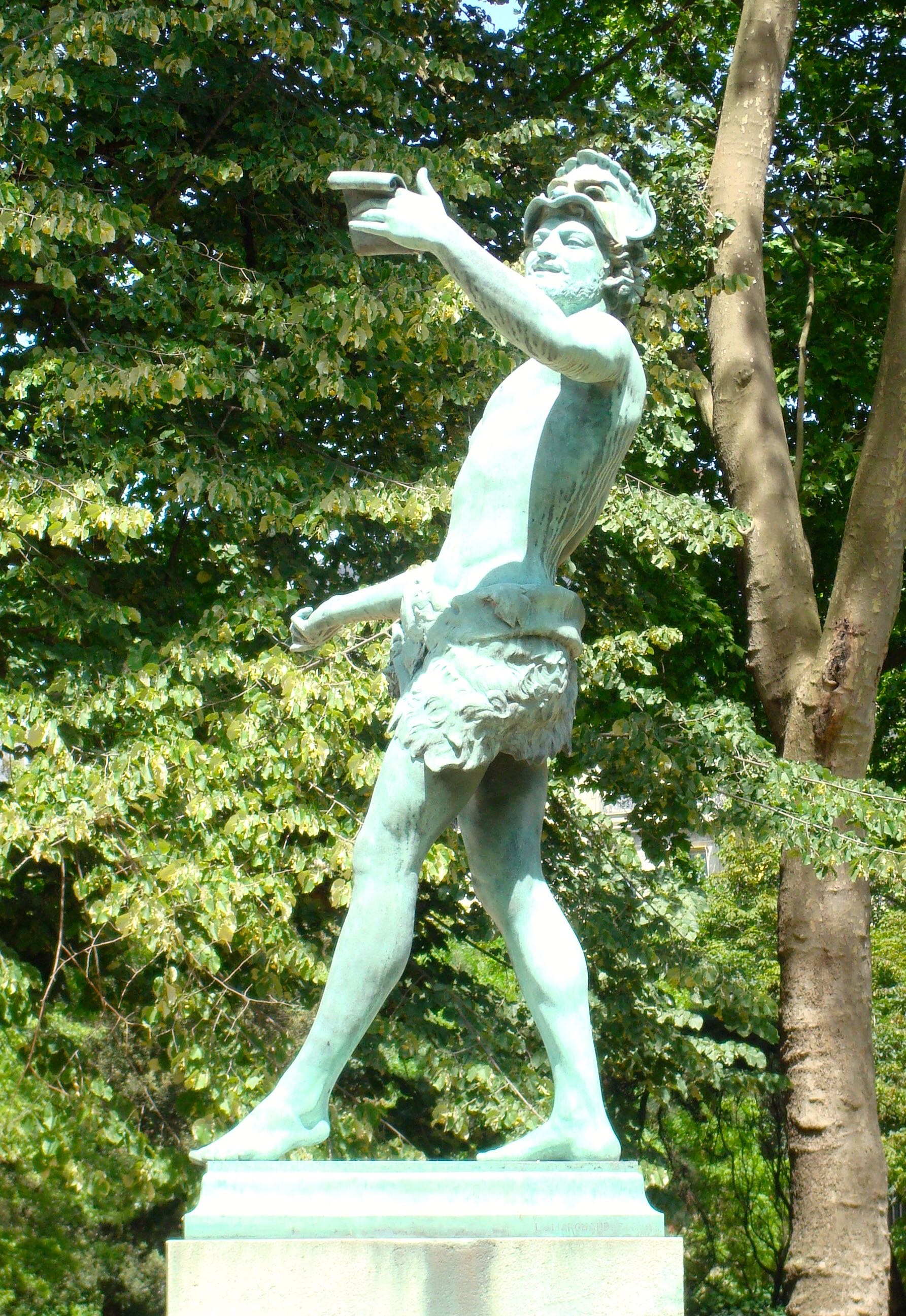
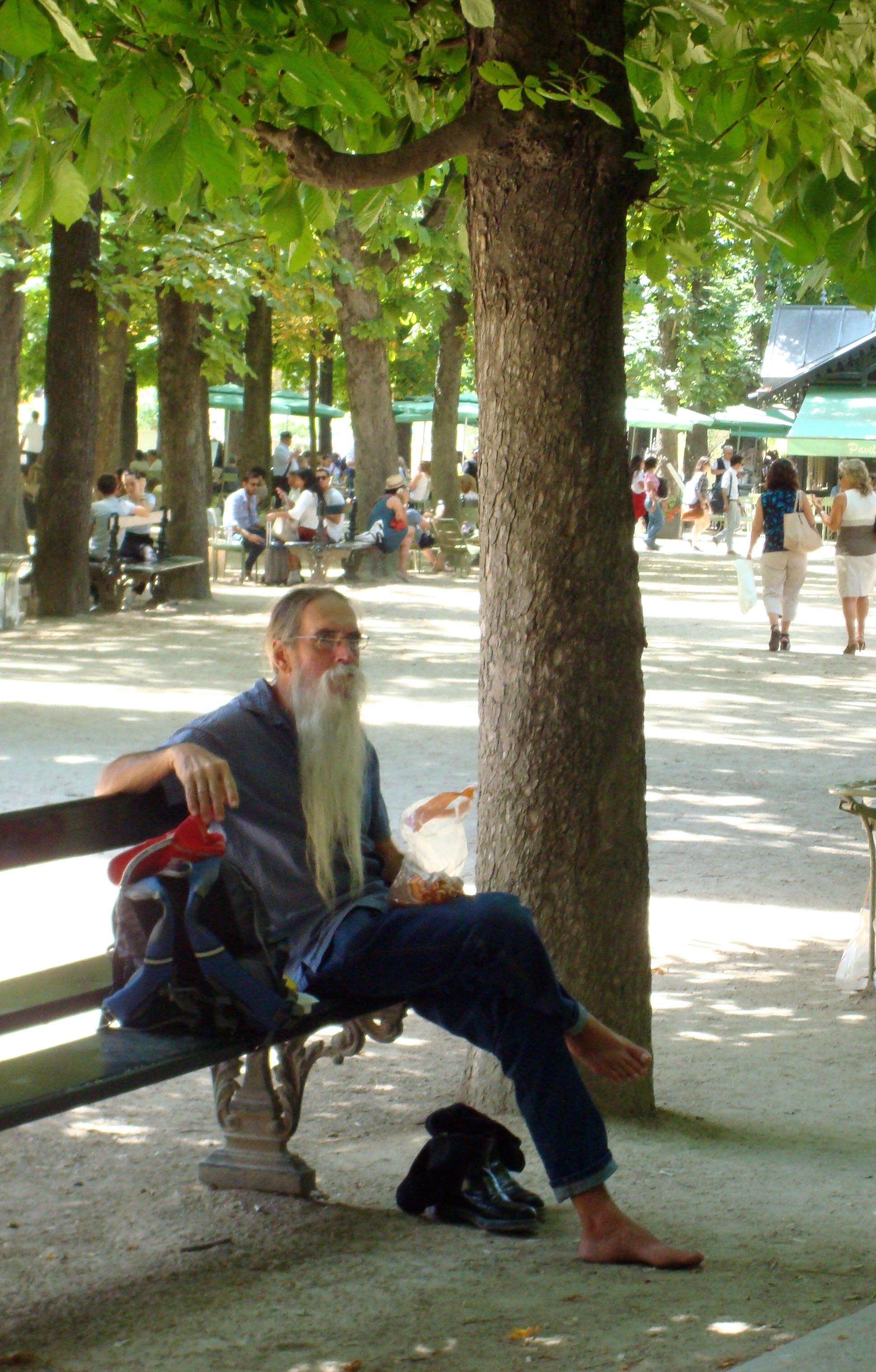
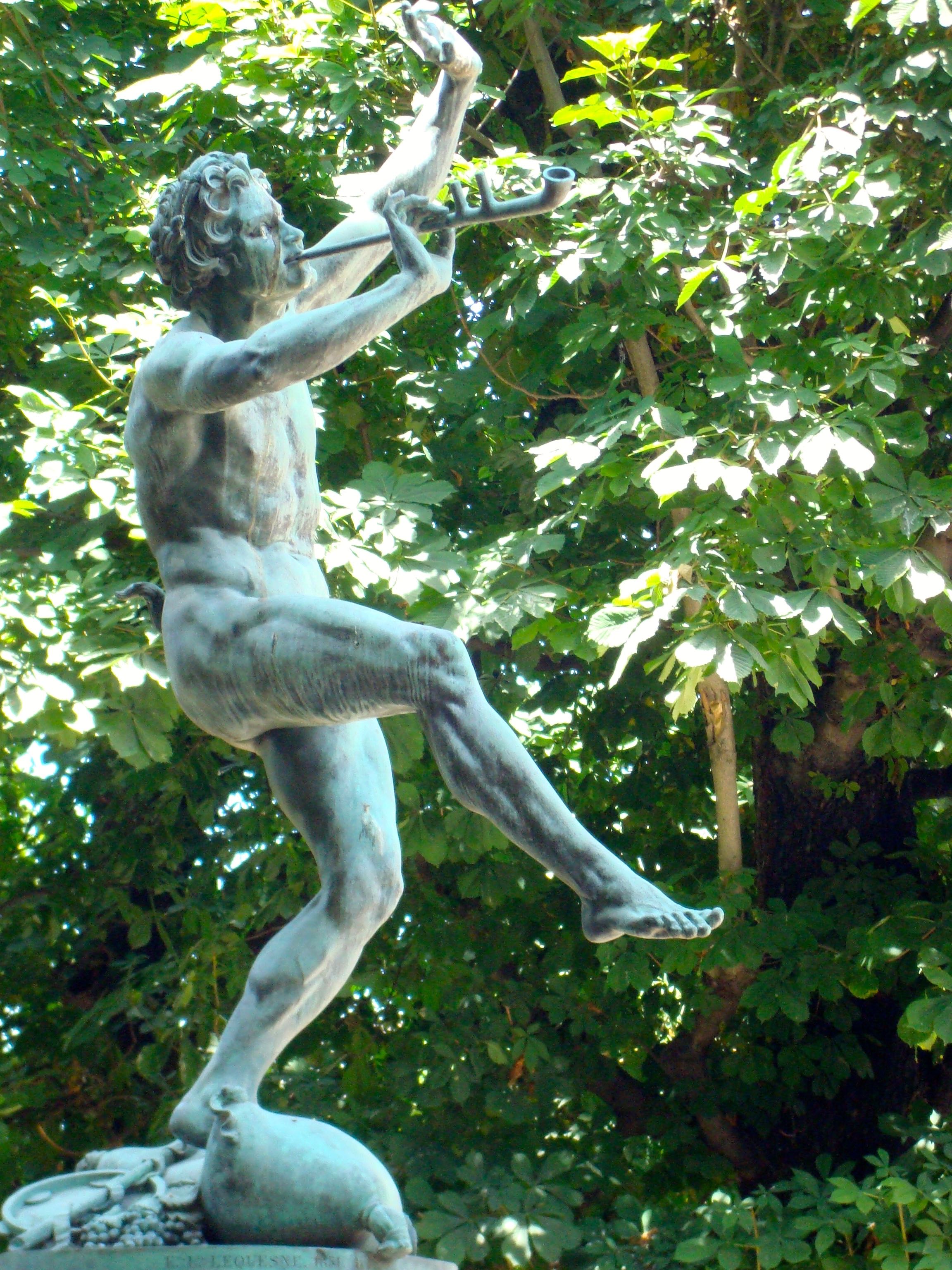

Sadly, just when we need them most, five years of austerity – based on a huge lie designed to redistribute wealth in entirely the wrong direction – have hit even our heroes hard. Pity the fools.


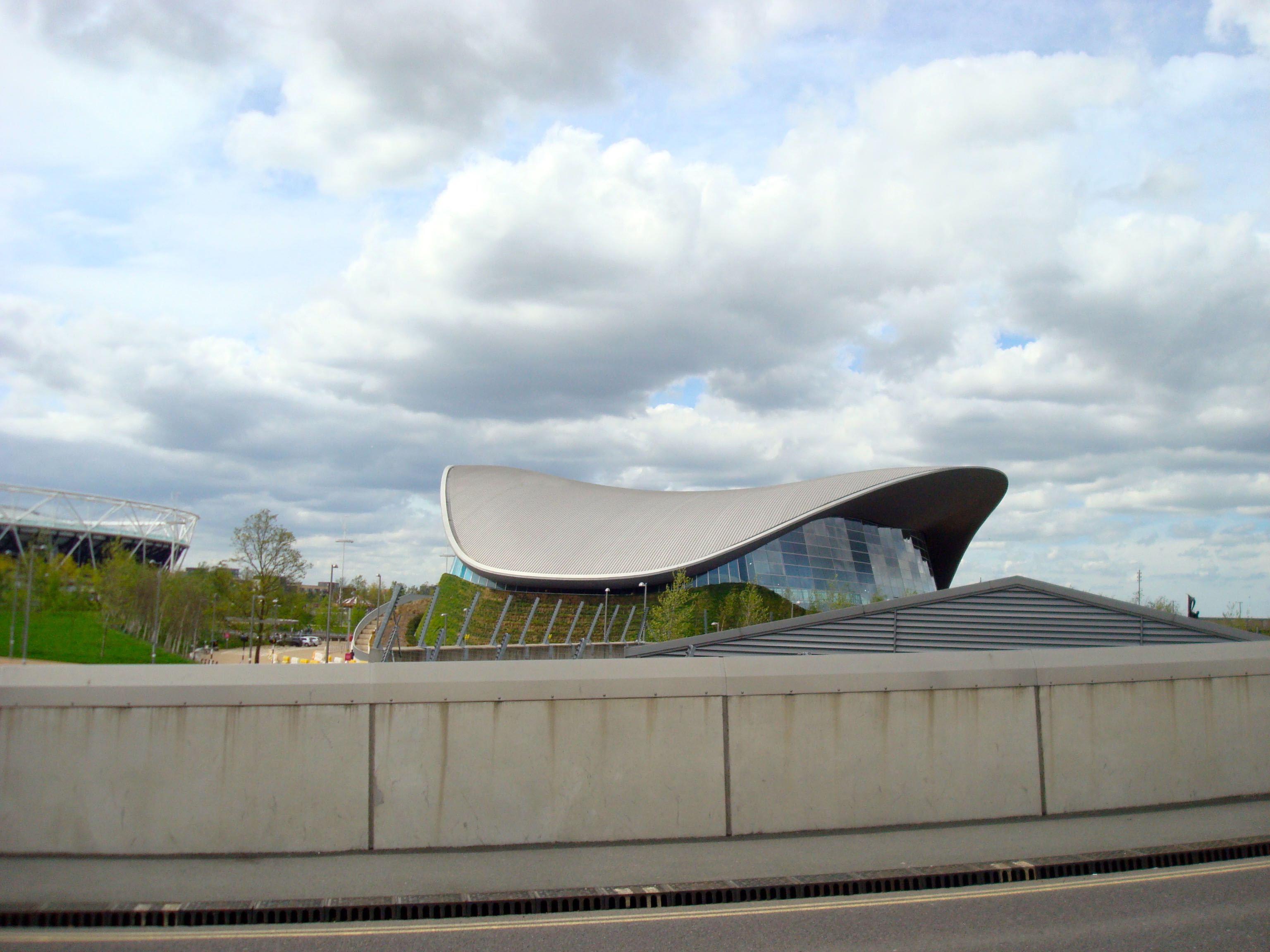
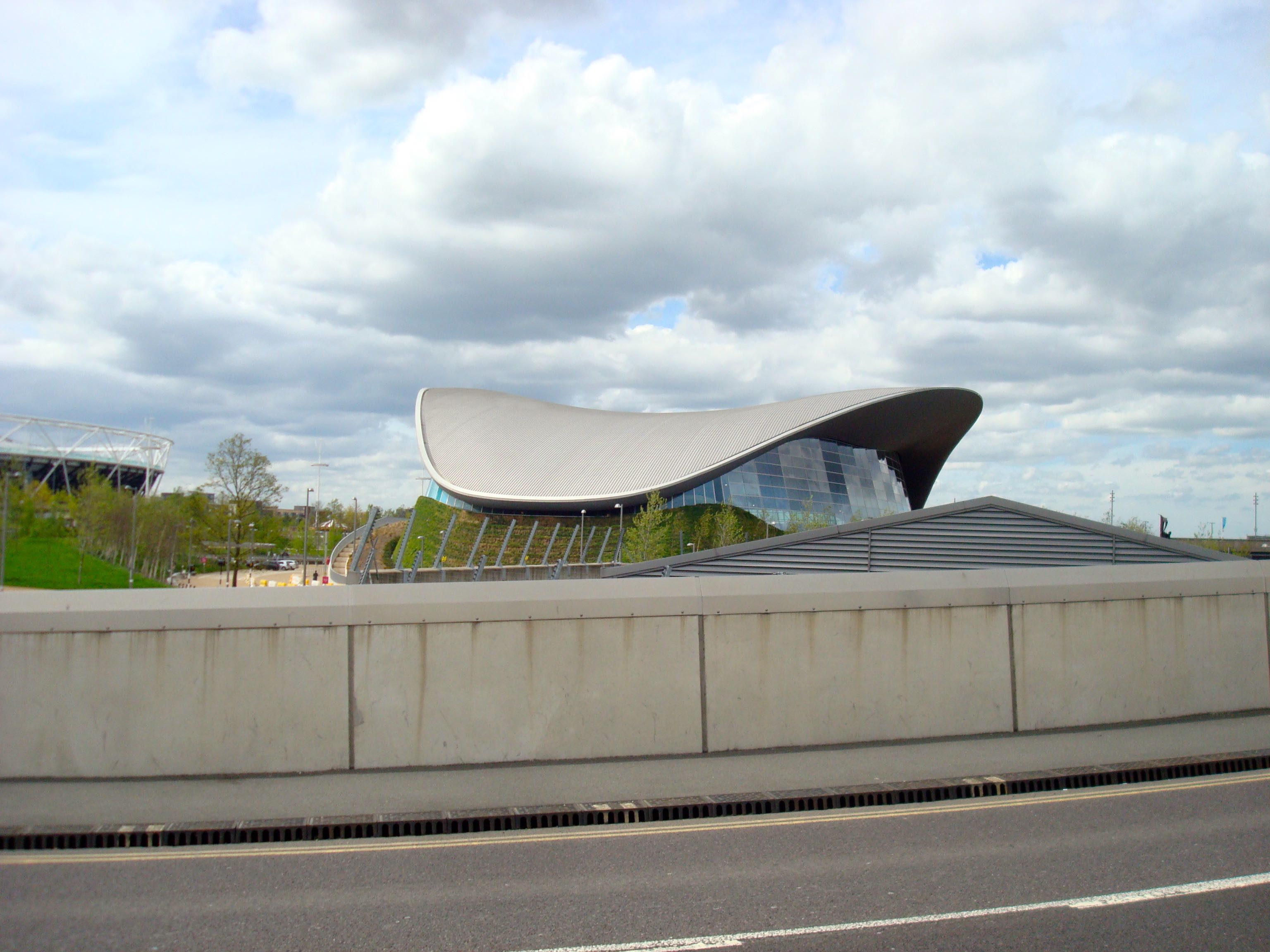


 The privatisation of public utilities and services in Britain has been a disaster for everyone apart from those given carte blanche to loot the public purse. Oligopolistic consolidation. Unemployment annd precarity. Taxes paid more or less directly to shareholders as dividends. The undermining of democracy. The ‘greed is good’ excesses of the 1980s, the TINA lies of the 1990s, the austerity bullshit of the new millennium. The preening arrogance of the corporate elites and their political lackeys. No scandal seems to have the power to even shock any more, let alone lead to criminal investigation or – can you still even imagine? – jail time.
That might be about to change.
In Bristol, evidence has been found of the most profound malfeasance, the crossing of a boundary that we can all surely agree is a step too far.
The cloning of Thomas the Tank Engine.
 Look closely.
Is there not something sinister in their fixed grins that speaks of our age?
The mandated performance of individuality.
Of joy. 
Look closely.
Into their eyes.
Behold the Abyss staring back.
 Mark Bould